
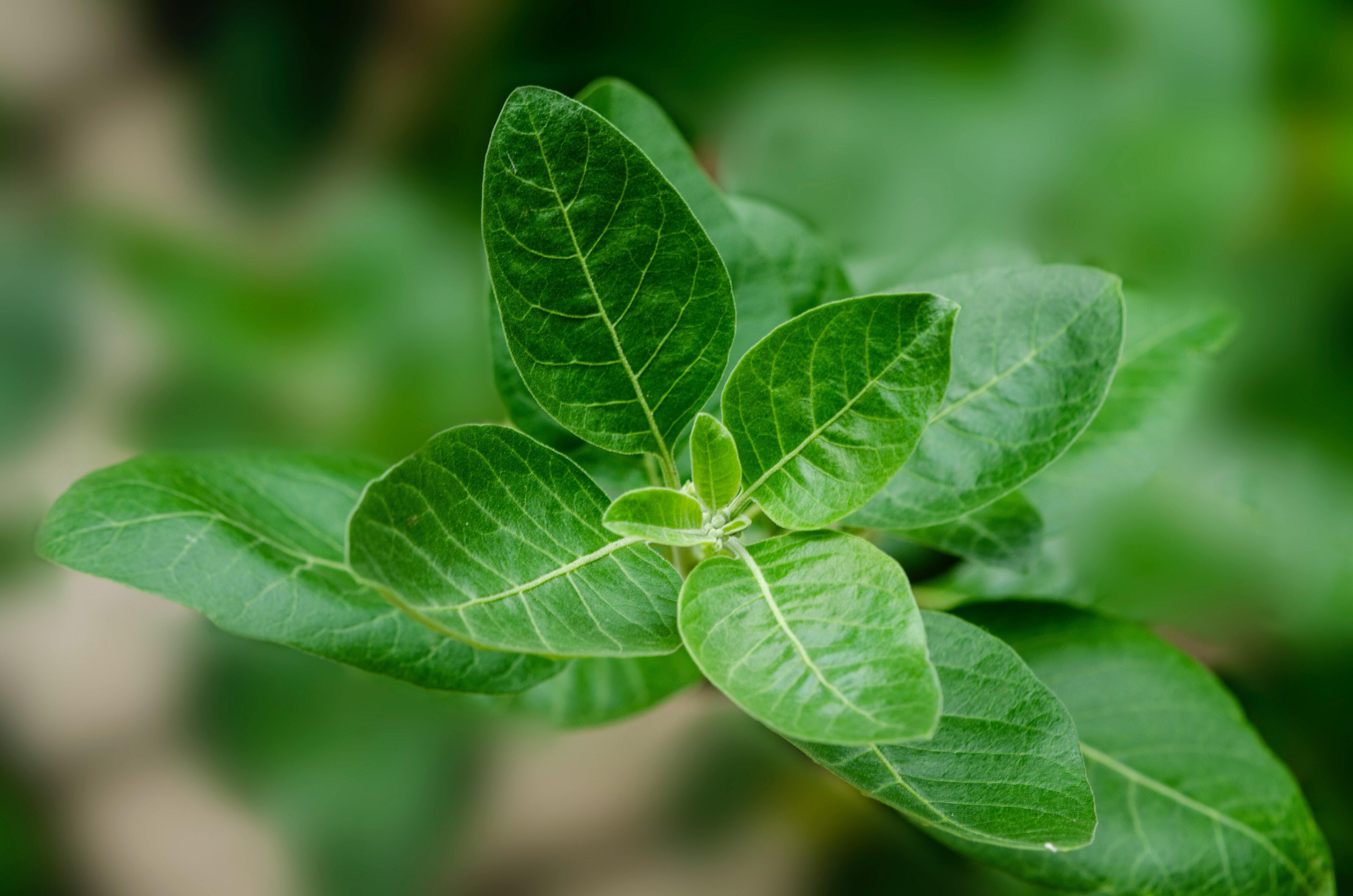
What Is Ashwagandha?
If you’ve ever dappled in Ayurvedic or naturopathic medicine it's likely the name Ashwagandha is familiar to you. If not, you may likely be sitting reading this thinking Ashwa-who? Ash – wuh gan duh.
Either way, it’s an ancient herb that may be beneficial to get to know that little better.
Sanskrit for the ‘smell of the horse’ Ashwagandha’s name refers to its unique smell and ability to increase strength and vitality. Beyond Ashwagandha, it is also known under its botanical name Withania Somnifera, as well as Indian Ginseng or Winter Cherry.
Found in dry areas of India and the Middle east this small evergreen shrub has been used in traditional medicines for centuries.
Along with its many different names, it has many different qualities. Naturopathically, this wonder herb is classed as an adaptogen, assisting the body in the management of stress by helping the body utilise and manage any excess of the stress hormone cortisol.
Whilst we know cortisol and the stress response are a necessity for survival, an excess of cortisol can play havoc on our health.
Cortisol and adrenaline had a very important role in the past in times of acute danger. If you were being chased by a predator, cortisol would signal to the heart to beat a little faster to encourage oxygen and blood flow to the legs for that quick escape. However, now it is more common to see these being heightened in our daily commute as we watch the cars bank ahead of us whilst running late to the first of 5 meetings we have booked in for our busy and somewhat stressful days.
Ashwagandha has been shown to substantially reduce cortisol levels over 60 days, with daily doses. Further, it has shown to have the ability to improve the resistance to stress in individuals and thus improve quality of life.
Ashwagandha like many other naturopathic herbs can be consumed as a tea but it has a pungent scent and bitter taste. it is also available in supplement form, derived from the dried root.
A Prospective, Randomized Double-Blind, Placebo-Controlled Study of Safety and Efficacy of a High-Concentration Full-Spectrum Extract of Ashwagandha Root in Reducing Stress and Anxiety in Adults
K. Chandrasekhar, Jyoti Kapoor, and Sridhar Anishetty1
https://www.ncbi.nlm.nih.gov/pmc/articles/PMC3573577/
High Cortisol Symptoms: What do they mean?
https://www.healthline.com/health/high-cortisol-symptoms