

ACCESS CELLULAR NUTRITION














WHAT IS NUTRA
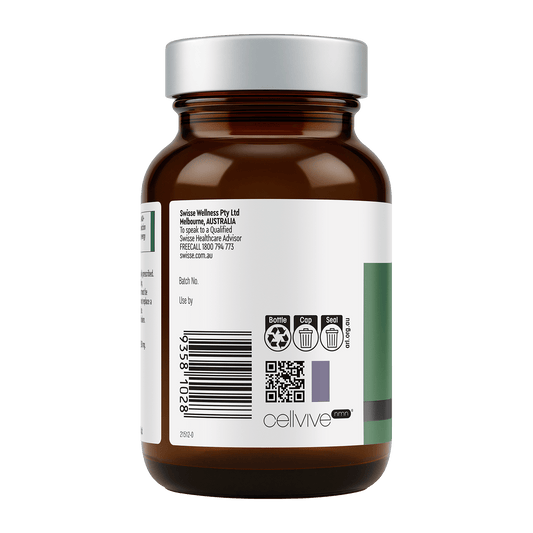
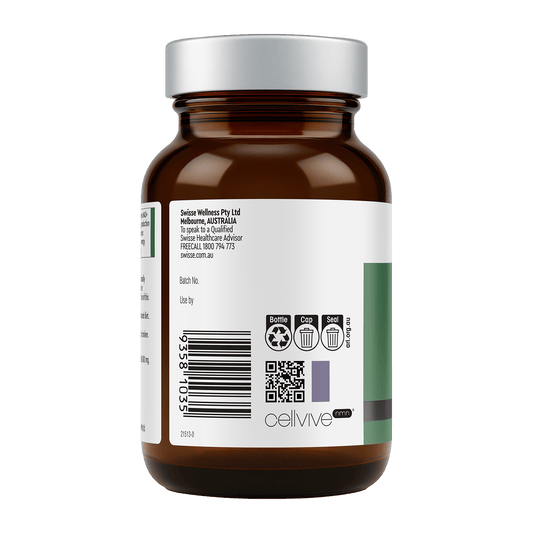
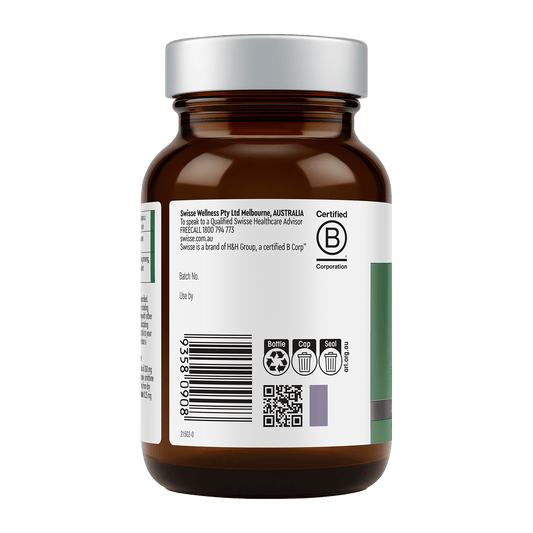
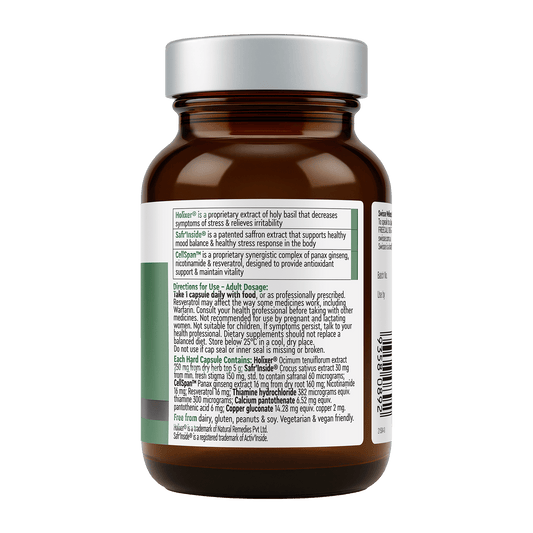
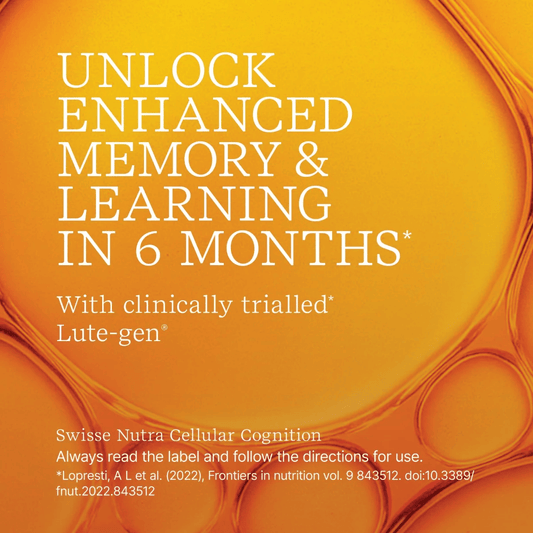
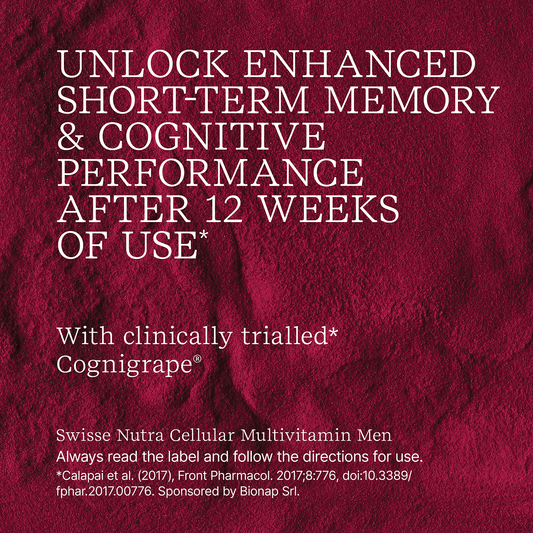
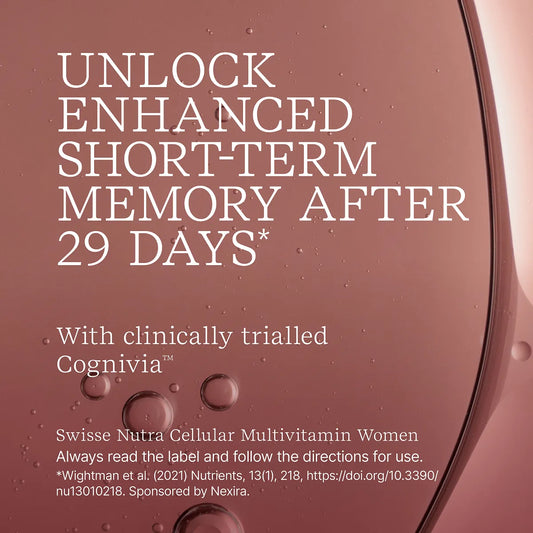
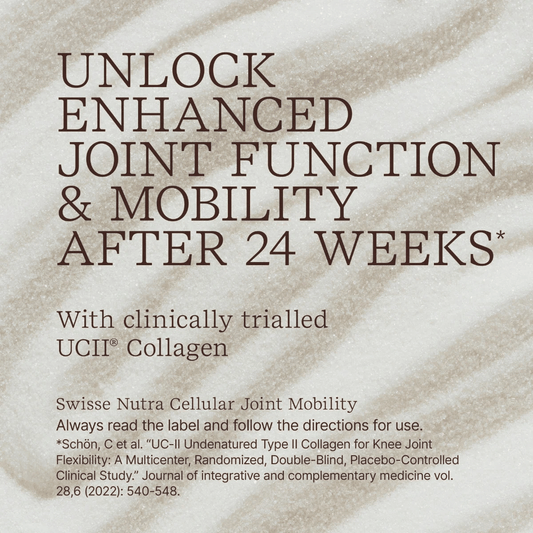
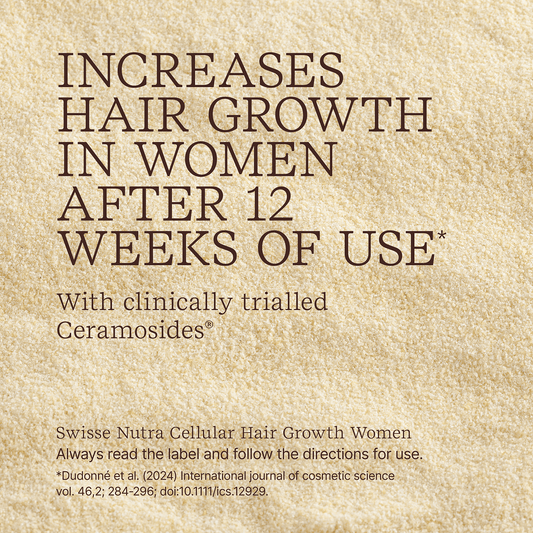
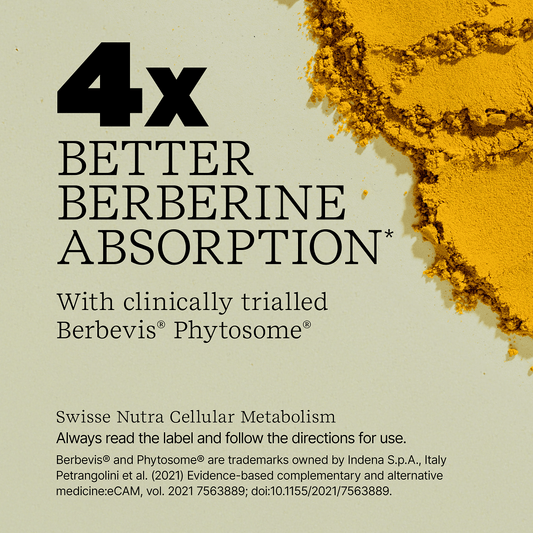
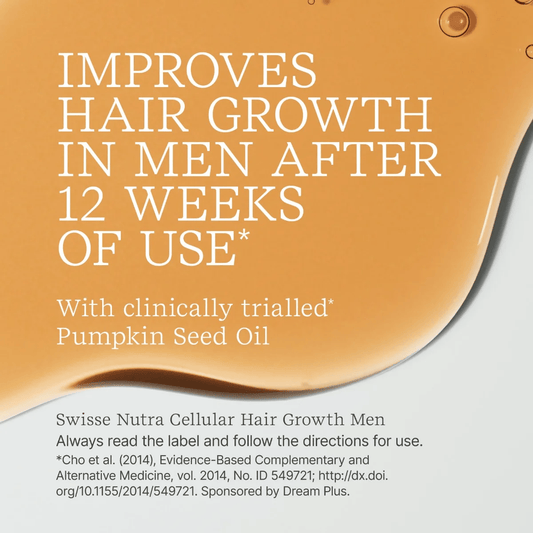
Introducing Swisse Nutra, our most advanced scientifically-backed range with novel, clinically studied ingredients such as Quercefit®¹, Lute-gen®², Pumpkin Seed Oil³, Ceramosides®⁴⁵, Berbevis⁶ and UC11 Type II Collagen⁷ for enhanced wellbeing across Cellular Beauty, Cellular Longevity and Cellular Nutrition.

CELLULAR LONGEVITY
Designed to support antioxidant activity and help reduce free radical damage to body cells, supporting cellular health and general wellbeing. Formulated to support key cellular functions related to energy, cognition, metabolism and joint health, these products draw on scientific understanding of the biological factors involved in healthy ageing.

CELLULAR BEAUTY
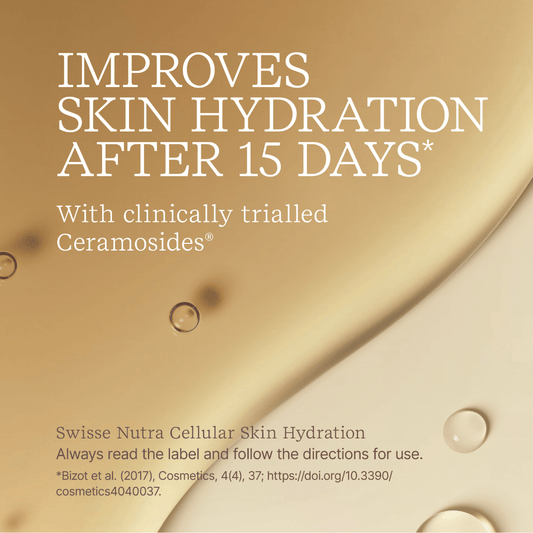
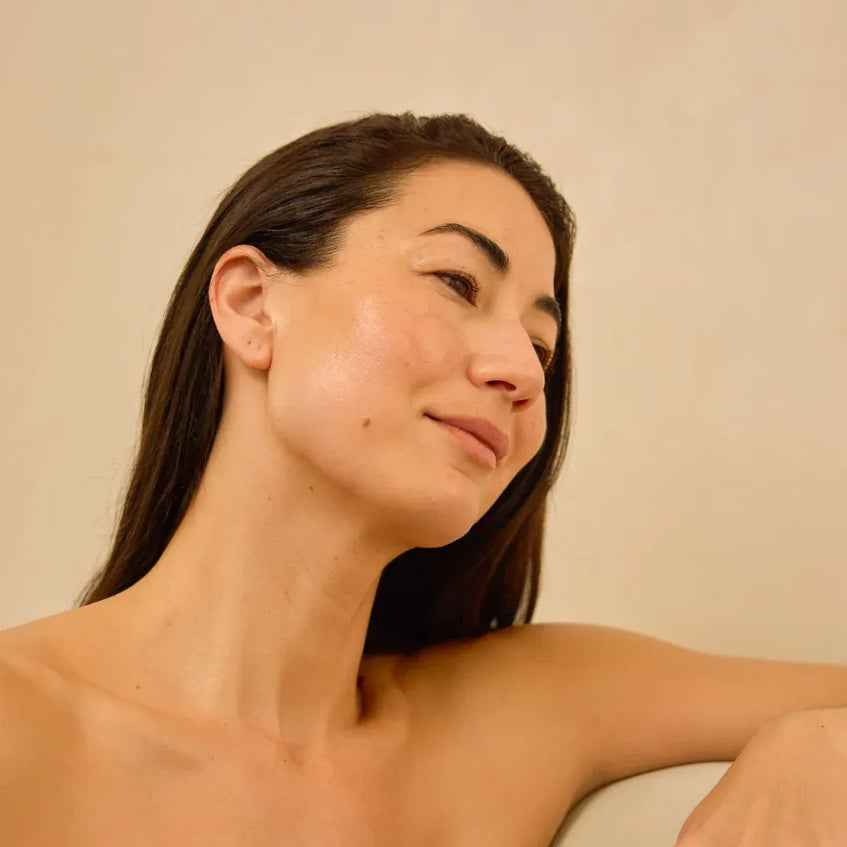
Address cellular beauty where it matters most - at the source. Cellular beauty is all about nourishing the skin and the hair from within. The Swisse Cellular Beauty range includes evidence-based ingredients like Ceramosides, an ingestible form of Ceramides, which helps improve skin hydration and hair growth in women. This range also contains antioxidants to help reduce free radical damage to body cells.

LONGEVITY HUB
Your Guide To Alpha Lipoic Acid
ALA is a naturally occurring compound that plays an important role in your body's energy production process. Find out more.
What Is Berberine?
While berberine has been linked to several potential health outcomes, it's best known for how it relates to the body's metabolism.
Healthy Ageing: What's Involved?
Ageing is a part of life, but it doesn't have to mean losing your spark. While the years bring change, they can also open up new ways to...

Australia's Most Trusted Vitamin Brand 2026, 2025 & 2024^

Globally Sourced Ingredients

Proudly B Corp Certified*

Australian Wellness Leader Since 1969

Backed by Scientific Evidence
^As voted by Australians in 2024 & 2025 Readers Digest Most Trusted Survey.
*Swisse is a brand of H&H Group, a certified B Corp.
¹Riva et al. (2019), European journal of drug metabolism and pharmacokinetics, vol. 44,2: 169-177; doi:10.1007/s13318-018-0517-3²Lopresti, A L et al. (2022), Frontiers in nutrition vol. 9 843512. doi:10.3389/fnut.2022.843512³Cho et al. (2014),Evidence-Based Complementary and Alternative Medicine, vol. 2014, No. ID 549721; http://dx.doi.org/10.1155/2014/549721. Sponsored by Dream Plus⁴Dudonné et al. (2024) International journal of cosmetic science vol. 46,2; 284-296; doi:10.1111/ics.12929⁵Bizot et al. (2017), Cosmetics, 4(4), 37⁶Petrangolini et al. (2021) Evidence-based complementary and alternative medicine: eCAM, vol. 2021 7563889; doi:10.1155/2021/7563889⁷Schön et al. (2022), Journal of integrative and complementary medicine, vol. 28,6 (2022): 540-548; doi:10.1089/jicm.2021.0365